Clinical protocol
Immediate post-extraction implants
Selection criteria, contraindications and common errors in immediate implant placement, with supervised practice on real patients in Brazil.
Extract and place the implant in the same surgery
Immediate implants reduce the number of surgeries, preserve soft tissue and shorten total treatment time. But correct indication is what separates a predictable case from a complication: achievable primary stability and correct three-dimensional positioning are non-negotiable. During the residency, every immediate-placement case is planned and executed by participants under direct faculty supervision.
Clinically reviewed in August 2026
Immediate vs delayed: when to wait
Haste is the worst enemy of the immediate implant. These are the scenarios in which each approach is the right choice.
Immediate placement
- Intact, thick buccal wall with no fistula or active periapical infection.
- Primary stability achievable with 3–4 mm of available apical bone.
- Thick gingival biotype and a smile line that tolerates recession risk.
- Buccal gap grafted with particulate bone and PRF in the same session.
Delayed placement
- Primary stability or a correct prosthetic position cannot be achieved.
- Socket preservation with graft and membrane as the first stage.
The protocol in 6 phases
From radiographic screening to post-operative review: the sequence we teach and supervise in the residency.
- 01
Case selection
CBCT, buccal wall analysis, gingival biotype and infection assessment. Only cases meeting every criterion proceed to immediate placement.
- 02
Atraumatic extraction
Flapless luxation whenever possible, using periotomes and a buccal-plate preservation technique.
- 03
Site preparation
Palatal drilling along the restorative axis, respecting the planned 3D position and securing primary stability.
- 04
Implant placement
Implant positioned 3–4 mm below the future gingival margin, with insertion torque recorded to decide on immediate loading.
- 05
Buccal gap management
Filling the implant-to-wall gap with a slow-resorbing particulate graft and a PRF membrane.
- 06
Review and follow-up
Control radiograph, post-operative instructions and a reassessment schedule before the prosthetic phase.
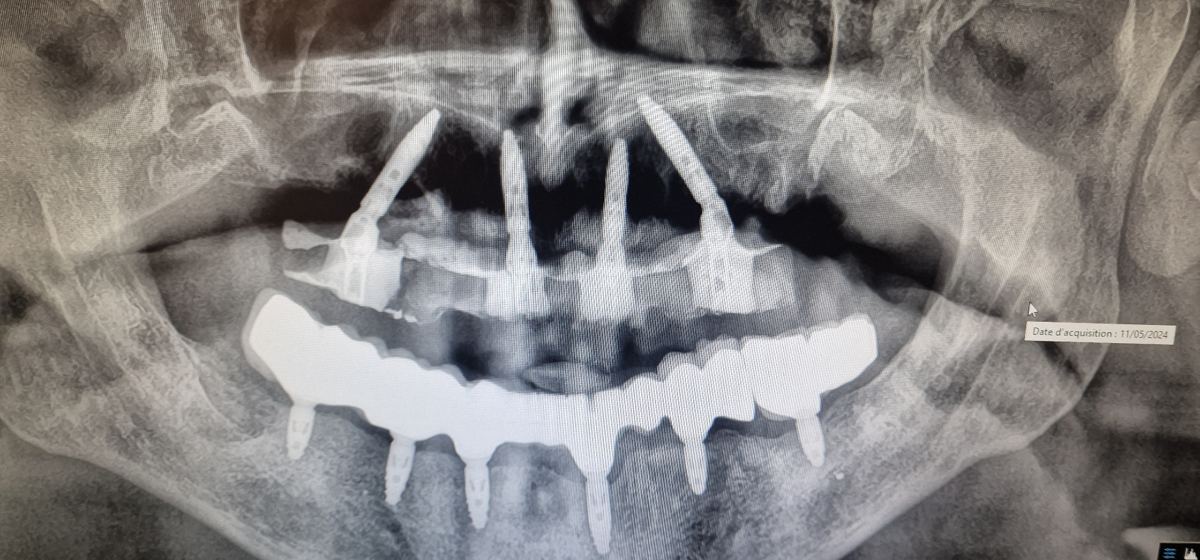
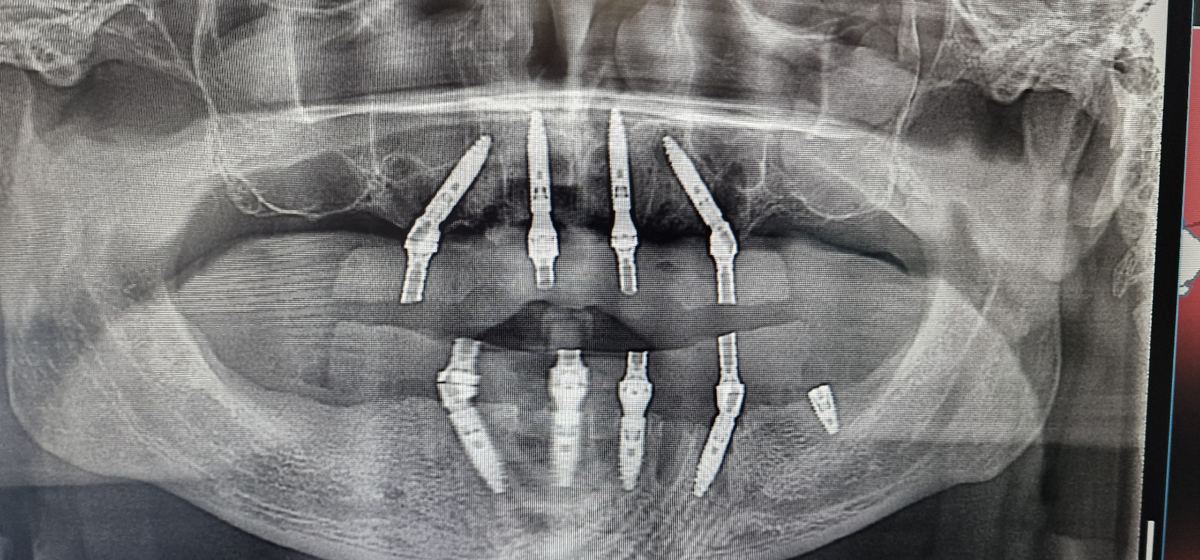
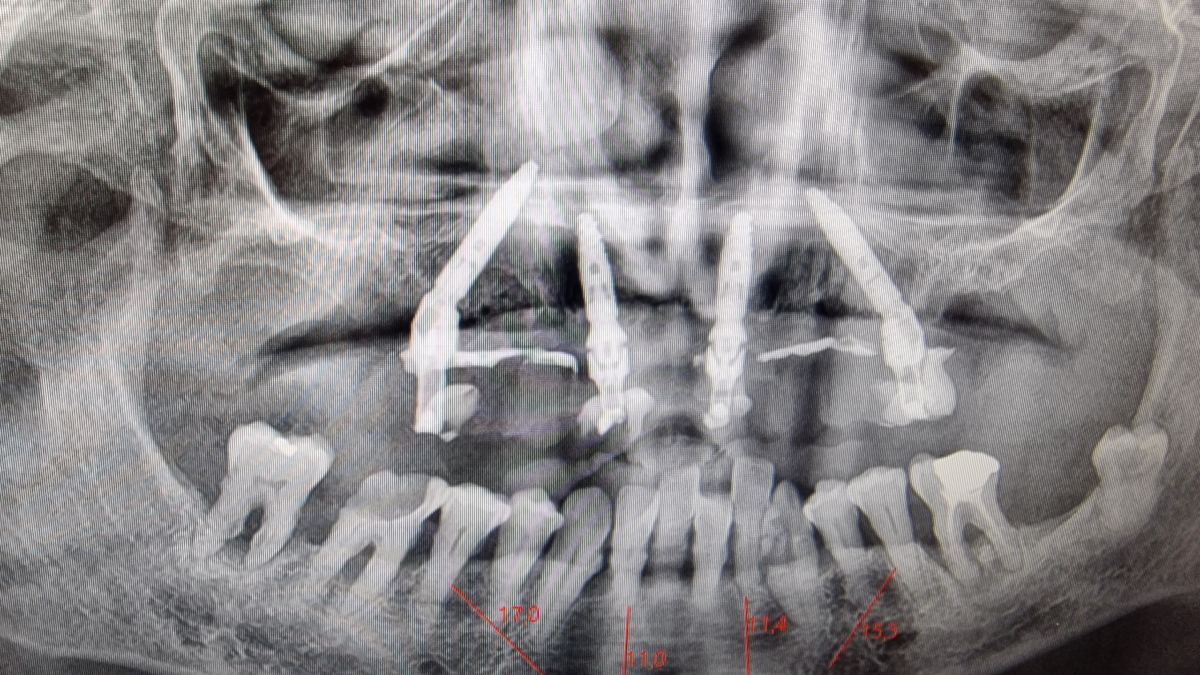
Residency cases
Radiographs of real cases performed by participants under faculty supervision.
Frequently asked questions
What is the main contraindication for an immediate implant?
Loss of the buccal bone wall and active infection are the most frequent absolute contraindications. In these cases, socket preservation and delayed placement give more predictable outcomes.
Can an immediate implant be loaded immediately?
Only with high insertion torque (usually above 35 Ncm), an ideal prosthetic position and an unloaded occlusion. Immediate loading is not a goal in itself — it is the consequence of favourable conditions.
Does an immediate implant really prevent bone resorption?
Not entirely. Bone remodelling still occurs, mainly at the cervical third. What immediate placement preserves best is the soft-tissue architecture — provided the buccal gap is grafted.
Will I place immediate implants during the residency?
Yes. Immediate-placement cases are part of the clinical programme and are performed by participants on real patients, always with prior planning and direct faculty supervision.
Who signs this protocol
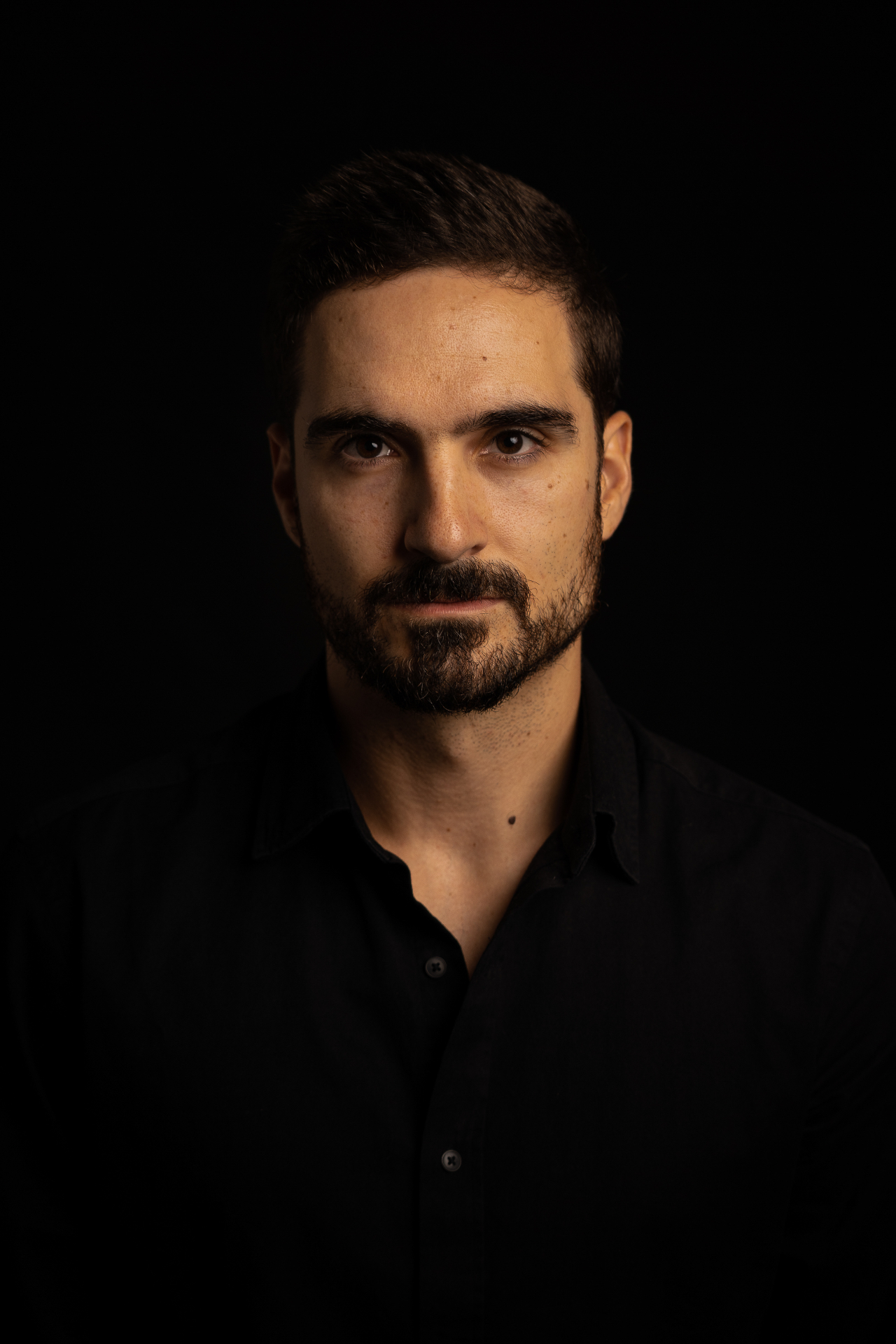
Dr. João Borges Nogueira
Oral surgeon practising in Paris, dedicated to advanced implantology, regeneration and international training of dentists.
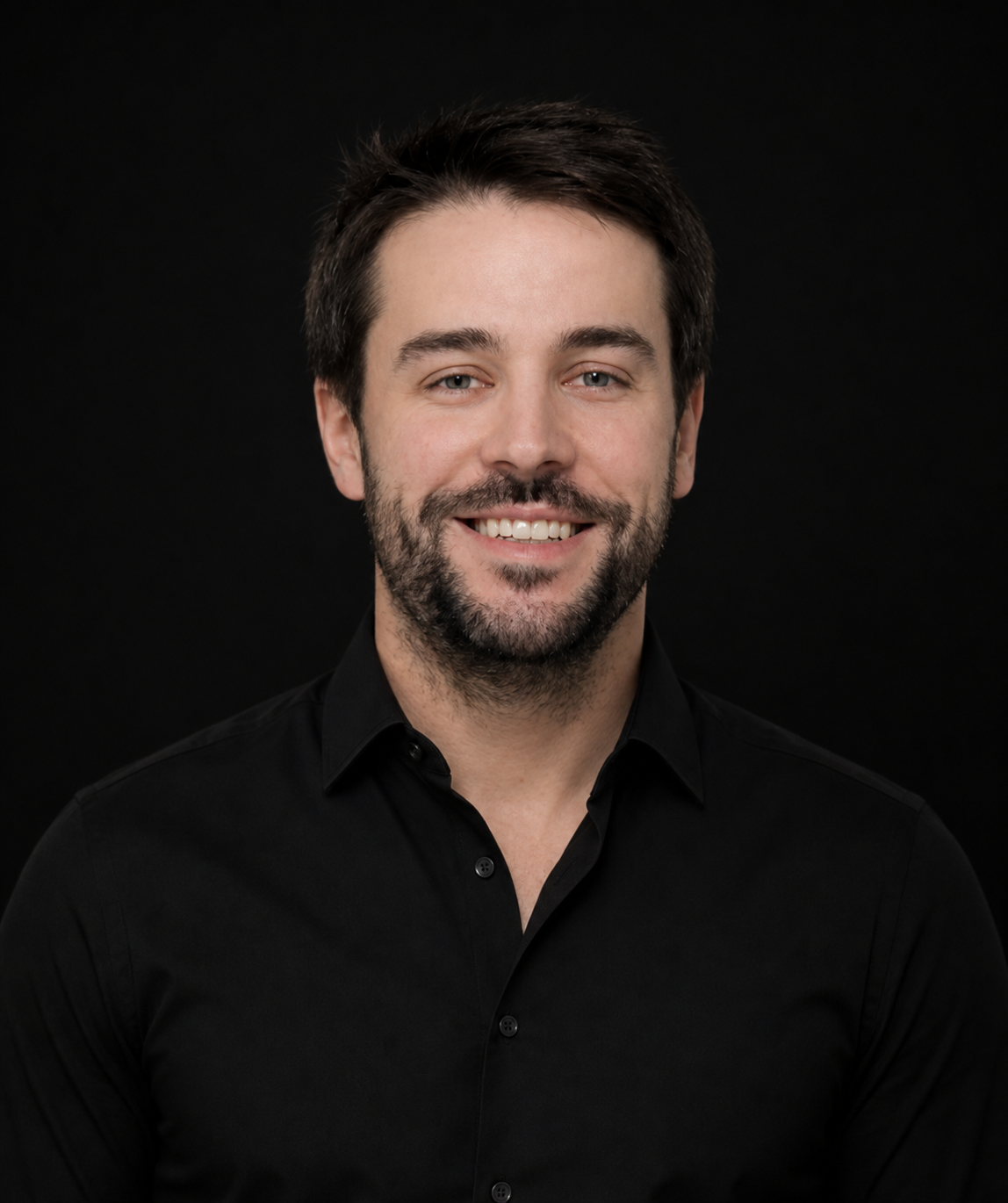
Dr. Gonçalo Castilho
Specialist in oral implantology practising in Portugal, focused on full-arch rehabilitations, digital planning and complex reconstruction cases.
Related procedures
These techniques combine within the same treatment plan — explore each protocol in detail.
All-on-4 — full-arch rehabilitation
Full-arch protocol on four implants with immediate loading.
Sinus lift
Lateral and transcrestal approaches to regain posterior bone height.
Guided bone regeneration (GBR)
Grafts and membranes to rebuild bone volume before or during implant placement.
PRF — platelet-rich fibrin
Autologous membranes and sticky bone to improve healing and integration.
Learn to decide — and to execute — safely
In the intensive Brazil residency you will plan and place immediate implants on real patients, with continuous faculty supervision.